
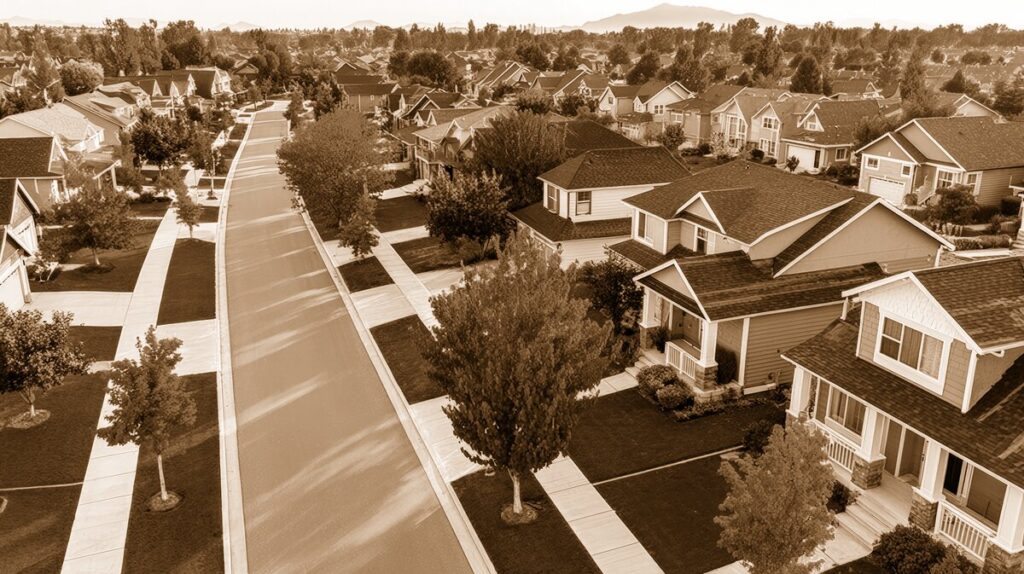
Nestled just west of downtown Rochester yet worlds away in charm, the Folwell Drive neighborhood is a storied and welcoming community with a legacy spanning nearly a century. For newcomers and longtime residents alike, this special pocket of the city offers not just a home, but a living connection to the people and events that have shaped Rochester over the decades.
The Origins of Folwell Drive
Folwell Drive and its encompassing neighborhood began taking shape in the 1920s, an era marked by optimism and growth across Rochester. The district’s name pays homage to William Watts Folwell, a distinguished educator, engineer, and the first President of the University of Minnesota. Naming the street — and later, the neighborhood — after Folwell was a decision made by early city planners as a tribute to his contributions to Minnesota’s civic and educational landscape.
As development extended west of historic Kutzky Park, the tree-lined avenues along and around Folwell Drive quickly became a prime residential location for Mayo Clinic physicians, teachers, and business owners. The neighborhood offered a peaceful suburban feel while still being only minutes from downtown and the medical campus, a rare combination that drove its early appeal.
Key Milestones in Folwell’s History
Through the years, the Folwell Drive area has witnessed many transformations. Some notable milestones include:
- 1920s–1940s: Early Growth
The neighborhood’s first homes, a mix of Craftsman bungalows and Tudor revivals, appeared during Rochester’s 20th century building boom. Folwell Drive itself became known for its deep lots and sturdy, well-built houses — many of which still stand today.
- Post-WWII Expansion
After World War II, families flocked to the area as Rochester’s population surged. New home styles, like ranches and Cape Cods, filled in around the original properties. This era established the close-knit, multi-generational character Folwell maintains to this day.
- Community Organizations and Events
By the 1970s, residents began organizing block parties, garage sales, and seasonal gatherings — traditions that have grown stronger over time. The formation of the Folwell Neighborhood Association in the 1980s solidified a collective voice for residents and a commitment to preserving the area’s unique qualities.
Notable Landmarks and Institutions
Though primarily residential, Folwell’s heritage shines through its cherished public spaces, enduring institutions, and notable architecture.
- Folwell Elementary School
Opened in 1925 and still thriving, Folwell Elementary on 15th Avenue SW has seen generations of children pass through its halls. The school is not just a landmark, but a cornerstone of community life, hosting family events, fundraisers, and educational programs for nearly a century.
- Folwell Park
At the heart of the neighborhood sits Folwell Park, a leafy expanse that brings neighbors together for picnics, youth soccer games, and concerts under the open sky. The park’s winding walking paths and playgrounds echo with the laughter of children and the rhythms of neighborhood tradition.
- Historic Homes Along Folwell Drive
A walk down Folwell Drive reveals lovingly maintained homes dating back to the 1920s and 30s. Many still feature original hardwood floors, leaded glass windows, and welcoming front porches — enduring symbols of the neighborhood’s historic soul.
Streets That Tell a Story
Folwell Drive itself stretches gracefully from 6th Street SW to 9 1/2 Street SW, bordered by serene residential lanes like 16th and 17th Avenues SW. Each block offers its own chapter in the neighborhood’s story:
- 6th Street SW: Once a sleepy country road, today it marks the gateway into one of Rochester’s most storied neighborhoods.
- 15th Avenue SW: Home to Folwell Elementary and lined with mature oaks, this street is the heartbeat of family activity in the community.
- 8th Street SW: Known for its annual block party and holiday displays, 8th Street captures the exuberant community spirit that defines Folwell living.
Evolution Through the Decades
As Rochester has grown into a leading center for medicine and research, the Folwell Drive neighborhood has embraced both change and continuity. Home renovations, new families, and diverse residents have brought fresh energy to its leafy streets. Yet much has remained delightfully the same: neighbors wave from their front porches, kids play in Folwell Park until dusk, and each generation adds to the story.
Recent years have seen community projects like the Folwell Neighborhood Garden and volunteer efforts to preserve the mature tree canopy that gives the neighborhood its green embrace. At the same time, the preservation of historic homes and careful infill of new construction ensures that Folwell balances progress with heritage.
Why Folwell Drive Remains Special
Ask any resident, and you’ll hear a common refrain: Folwell Drive is more than a place—it’s a feeling. There’s a rhythm to life here, where summer evenings are for sidewalk chats and winters are brightened by neighborhood holiday lights. The echoes of history linger in each oak-shaded yard and in the steady presence of beloved places like Folwell Elementary and Folwell Park.
Above all, it’s the people who have made the Folwell Drive neighborhood what it is—teachers and doctors, artists and entrepreneurs, young families and steadfast retirees. Together, they’ve shaped a vibrant tapestry grounded in history, enriched by diversity, and ever open to the next chapter in Rochester’s story.
Whether you’re walking your dog along 15th Avenue, reading a book under one of the park’s grand old trees, or marveling at the timeless charm of a 1930s bungalow, one thing is clear: Folwell Drive isn’t just an address—it’s a living legacy, still being written every day.